

For general inquiries and questions, please Call me or Message me, or alternatively send me an email using the Contact Form.
Dietary Services
Additional Services
Sleep
I use an evidence-based approach using dietary and lifestyle support for people experiencing poor sleep, difficulty falling asleep, frequent waking, or unrefreshing sleep. I draw on published scientific research to assess nutritional, dietary and lifestyle factors that may influence sleep quality, including nutrient deficiencies, meal timing, caffeine and alcohol intake, blood sugar regulation, stress, and other factors that can affect the body’s sleep-wake systems. Using professional assessment tools and personalised recommendations, I aim to identify potential contributors to sleep disturbance and develop practical strategies to support more consistent, restorative sleep.
Read more about: Sleep and Insomnia, Fatigue, and Energy Issues
ADHD
For people with ADHD, nutrition can play a supportive role in areas such as concentration, energy regulation, mood, sleep and overall wellbeing. I consider dietary patterns, meal timing, blood sugar stability, protein intake, essential fatty acids, micronutrient status and the gut-brain axis, with the aim of identifying practical nutritional changes that may help support cognitive function and day-to-day symptom management alongside appropriate medical and psychological care.
Read more about: ADHD: Calming an Overactive Mind
Body Scan (BIA)
A BIA (Bioelectrical Impedance Analysis) scan is a science-backed method used to assess body composition, providing detailed information about muscle mass, fat, hydration levels, and inflammation, among others. The scan works by sending a safe, low-level electrical current through the body. BIA is a quick, non-invasive scan (that doesn’t use X-rays), and gives a detailed snapshot of your physical health beyond simply body weight or BMI.
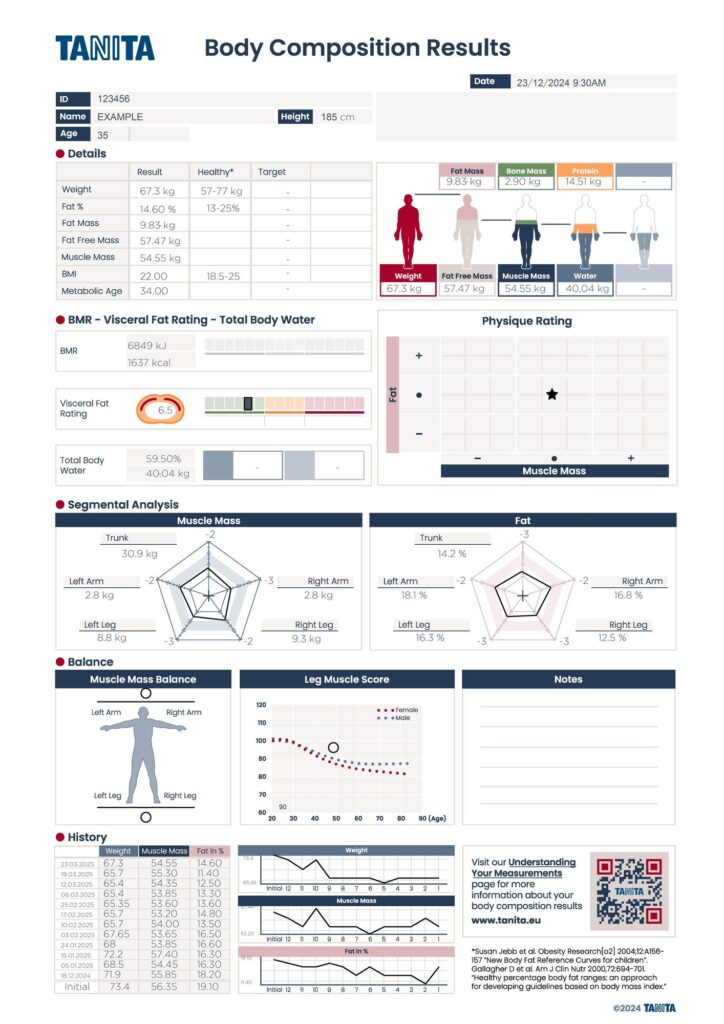
Note: When BIA is used independently, it is not considered or processed as a dietary service.